How Gasoline Spikes Can Derail Monthly Household Budgets
By Daniel Reeves. Apr 10, 2026
The March 2026 Spike
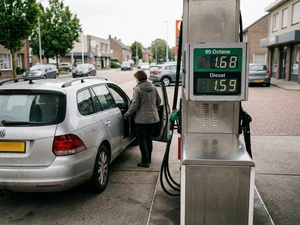
In March 2026, gasoline prices surged 21.2% in a single month-the largest monthly spike since the oil crisis of 1967-following U.S.-Iran tensions. The spike created immediate household budget impact, as families could not reduce fuel consumption despite price increases. Energy prices moderated in April following a ceasefire, but underlying vulnerability remains.
Impact by Income Level
Households with incomes below $30,000 now spend approximately 7.1% of their income on gasoline alone, leaving less for groceries, rent, or debt payments. Even middle-class families earning $60,000-$80,000 per year face an extra $100-$200 monthly in gas costs, creating immediate and unavoidable budget impacts that force reductions in other categories.
Why Households Cannot Adjust
Unlike discretionary spending, gasoline is non-negotiable for most working households. People must drive to work, to school, and to appointments. Energy cost spikes directly derail careful financial planning, forcing households to reduce spending on food, healthcare, or other necessities.
The Vulnerability Persists
Even as prices moderated in April, the damage from March’s spike was baked into family budgets. The underlying vulnerability-geopolitical tension affecting global oil markets-remains. Households with no financial cushion feel energy price volatility most acutely, cascading through entire household budgets.
References: Inflation Impact On Family Budget 2026

The News And Beyond team was assisted by generative AI technology in creating this content
Trending