Why Half of Job Seekers Are Being Targeted by AI Recruitment Scams
By Alex Mercer. Mar 1, 2026
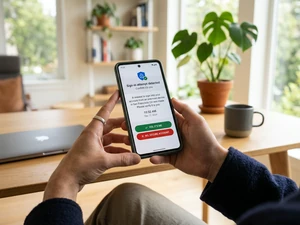
A recruiter reaches out on LinkedIn. The role sounds perfect-remote, flexible, well-paying, and light on qualifications. The recruiter’s profile looks credible. The job description seems legitimate. But the interview happens only over WhatsApp, and requests for sensitive information start escalating quickly.
AI-powered job scams are now the fastest-growing category of fraud aimed at job seekers, particularly those just entering the workforce. According to Defend-ID’s 2026 research on AI job scams, the Federal Trade Commission received over 105,000 reports of job scams in 2024 alone, with reported losses jumping from $90 million to over $513 million between 2020 and 2024.
Graduation season makes this threat even more acute. Millions of new graduates are hitting the job market, and AI-powered scammers are waiting with deepfake recruiters, fake offer letters, and synthetic company profiles that look more legitimate than the real thing.
How Deepfake Recruiters Operate
Deepfake recruiters use AI-generated headshots and recycled job descriptions to impersonate real people at real companies. The profiles look credible at a glance because generative AI can now produce convincing profile pictures, personalized messages, and even video interviews.
The real goal isn’t usually to actually hire anyone. Instead, scammers harvest enough personal data-Social Security numbers, driver’s license images, bank account information, copies of voided checks-to commit identity theft, file fraudulent tax returns, or open accounts in the victim’s name.
Research from Defend-ID found that the FTC has flagged a consistent pattern: legitimate employers do not ask for sensitive personal information before an interview, and they do not conduct hiring entirely through WhatsApp or Telegram.
Red Flags to Watch For
The warning signs are often present if you know what to look for. Unsolicited contact on the wrong channel-a recruiter reaching out via WhatsApp, Instagram DM, or plain SMS rather than LinkedIn InMail or official company email-is a major red flag.
Be skeptical if the role offers above-market pay, requires almost no qualifications, promises flexible hours, or emphasizes that remote work requires no experience. Real recruiting processes move through official channels and include multiple interviews with different team members, not just one person communicating through a messaging app.
If a recruiter asks for sensitive personal information before you’ve had a formal interview, that’s an immediate warning sign. If they pressure you to move the conversation away from official platforms to encrypted messaging apps, stop communicating.
How to Verify a Job Opportunity
Verify the recruiter independently. If they claim to work for a specific company, look up that company’s official website and contact their HR department directly. Ask for their full name and internal contact information, then verify it through official channels.
Never provide your Social Security number, copies of identification, or banking information to anyone you’ve only communicated with online. If a “company” asks for these details before a real conversation with multiple team members, it’s a scam.
Set up a fraud alert with the FTC if you suspect you’ve been targeted. Protect your information now, because identity theft from these scams can take years to fully resolve.
References: Ai Jobs Scams Are Rife How To Spot Them And Protect Yourself | 2026 04 21 Ai Job Recruitment Scams Uk

The News And Beyond team was assisted by generative AI technology in creating this content
Trending