Romance Scams Just Got Smarter-And Gen Z Is Backing Away From Dating Apps
By Alex Mercer. Feb 14, 2026
You match with someone attractive. They message you thoughtfully. Over weeks, a relationship develops. Then they ask for money-or introduce an “investment opportunity.” What felt authentic wasn’t.
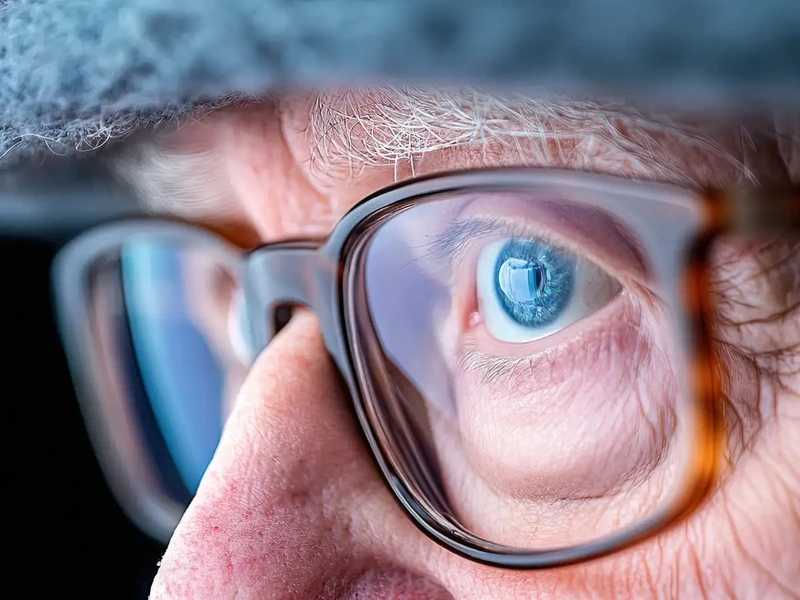
But here’s what’s different in 2026: the person might have been more realistic than ever. They might have sent a video call where their face moved naturally, their mouth matched their words, and their expressions seemed genuine. Because AI-generated video calls have become sophisticated enough to pass casual verification.
According to Barclays’ scam research from February 2026, one in five UK adults have been targeted by a romance scam or know someone who has. Among those personally targeted, 40% lost money. The average loss was GBP 7,000, and romance scam victims had been communicating with the scammer for seven months on average before money was requested.
AI Has Made Romance Scams More Convincing
What’s changed is the technology behind the scams. The mechanics remain similar to traditional romance fraud, but AI has accelerated nearly every stage of the process.
Autonomous AI systems can now scrape social media profiles in real time to build detailed behavioral profiles of potential victims. These systems can identify signs of loneliness, grief, financial vulnerability, or emotional isolation.
The scammer then maintains thousands of simultaneous conversations with the help of AI-generated responses. Messages can be personalized, emotionally adaptive, and sustained over long periods of time while appearing authentic.
When emotional trust is established, the financial request arrives.
Deepfake Video Calls Are Changing Verification
According to Norton Insights Report data from early 2026, nearly half of online daters in the US reported being targeted by a dating scam. The report identified deepfake video calls, AI-generated profiles, and voice cloning among the fastest-growing tactics.
Biometric Update reporting on online dating fraud found that many users are struggling to distinguish authentic interactions from manipulated media. Among Gen Z respondents, a significant percentage said they were not confident they could identify AI-generated voices or fake images.
For years, people relied on simple verification techniques: request a live video call, ask for a real-time photo, or look for conversational inconsistencies. Those methods worked because real-time visual proof was difficult to fake convincingly.
That standard is beginning to erode.
According to research cited by McAfee, scammers can now generate realistic custom images and live visual responses quickly enough to bypass many traditional verification methods.
Younger Users Are Changing Dating Behavior
The shift is beginning to affect how younger people approach online dating itself.
Barclays research found that 56% of Gen Z singles say they now prioritize meeting potential partners in person rather than through dating apps. More broadly, many respondents said AI-generated scams are making online interactions harder to trust.
This reflects a larger behavioral shift. The concern isn’t simply about fake profiles anymore-it’s uncertainty about whether digital interaction itself can be fully trusted.
The Biggest Vulnerability Is Emotional, Not Technical
The strongest protection against these scams is still behavioral awareness rather than technical expertise.
Consumer safety experts consistently advise against sending money to someone you have never met in person, regardless of how convincing the relationship appears online. Financial requests tied to emergencies, investments, or urgent personal situations remain major warning signs.
The technology behind these scams has become increasingly sophisticated, but the underlying target remains the same: human emotion. The goal is not just to deceive people technically, but to build emotional trust strong enough to override skepticism.
For many users, that growing uncertainty is beginning to reshape how they approach online relationships altogether.
References: Ai Deepfake Concerns See Gen Z Swiping Left On Dating Apps | Online Dating At Risk As Romance Scams Deepfakes Infiltrate Platforms

The News And Beyond team was assisted by generative AI technology in creating this content
Trending