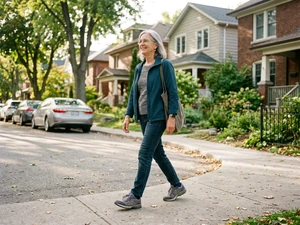
The Walking Habit Physical Therapists Recommend Most
By Susan Blake. Feb 12, 2026
Why Walking Matters More Than Other Exercise
Physical therapists and gerontologists consistently recommend the same habit for maintaining mobility and independence: daily walking. Not complex exercise programs, not high-intensity routines-just regular walking. The simplicity of this recommendation masks its importance. Walking is the most effective intervention for preserving the abilities people need to live independently, and it’s been that way long before fitness trends came along.
Balance and mobility naturally decline with age, and that decline accelerates with physical inactivity. The less people move, the weaker they become. Weaker muscles lead to reduced confidence in movement, which leads to even less activity. Breaking this cycle requires starting with something sustainable-and walking accomplishes that better than almost any other form of exercise.
How Walking Prevents Fall Risk
Falls are the leading cause of injury in older adults and a major cause of loss of independence. Medical research from CDC/NIH and other institutions shows that consistent walking significantly reduces fall risk by maintaining the strength, balance, and coordination required for safe movement.
Walking engages multiple systems at once-cardiovascular, muscular, and neurological. Unlike isolated exercises that target one area, daily walking supports overall functional capacity. The CDC recommends that adults 65 and older incorporate balanced activities and aerobic movement weekly, and walking delivers both simultaneously.
Starting a Walking Routine You Will Maintain
For people who feel unsteady or lack confidence, starting slowly is essential. Physical therapists suggest beginning with walks around the home, then gradually extending to neighborhood routes as strength and confidence build. This gradual approach respects individual abilities while establishing the habit that matters most.
Consistency matters more than intensity. Thirty minutes of regular walking provides more benefit than occasional longer walks separated by days of inactivity. The goal is sustainable daily movement-not pushing to extremes. For many older adults, the realistic starting point is 10 to 15 minutes, and that’s enough to begin building the habit.
The Real Payoff: Independence
The connection between regular movement and independence is direct. People who maintain walking habits preserve their ability to care for themselves, maintain their homes, see friends, and engage in activities they value. Walking isn’t just exercise-it’s the foundation of quality of life in later years.
For many adults, the motivation to walk isn’t fitness for its own sake. It’s staying mobile enough to do the things that matter most. That framing-practical and personal-is exactly what physical therapists say makes the walking habit stick.
References: Preserving Balance And Mobility

The News And Beyond team was assisted by generative AI technology in creating this content
Trending