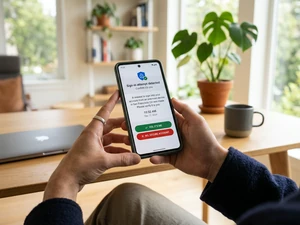
Why AI Voice Cloning Scams Are Fooling Even Careful People
By Alex Mercer. Feb 15, 2026
The phone rings. Your child’s voice on the other end is desperate. “Mom, I’ve been in an accident. I need money right now.” The panic is real. The voice sounds authentic. Everything feels urgent.
But the person calling you isn’t your child. They’re using artificial intelligence to clone your child’s voice-sometimes from just a few seconds of audio pulled from social media, voicemails, or video messages. This scam is working because the technology is advancing faster than most people realize, and the emotional pressure bypasses our usual skepticism.
According to Monterra Credit Union’s fraud research, voice cloning scams work by extracting short audio samples from sources readily available online. A scammer might use clips from a social media post, a YouTube video, or even a private voicemail greeting. From just a few seconds of audio, generative AI can now synthesize a convincing replica of that person’s voice.
How Voice Cloning Technology Works
The cloned voice will sound familiar-matching the speech patterns, pitch, and tone of the original speaker. When combined with a scripted emergency scenario, these scams exploit the emotional moment to bypass the critical thinking most of us would normally apply.
Federal Trade Commission data shows that these scams rely on urgency and emotion rather than technical trickery. The scammer doesn’t need the victim to believe the call is technologically perfect. They need the victim to feel the weight of an emergency.
Verification Methods That No Longer Work
For years, people relied on simple verification methods: ask your child a personal question they would know. Request a specific piece of information. The problem is that modern voice cloning doesn’t need to fool sophisticated tests-it just needs to sound authentic for long enough to create panic.
The Norton Insights Report on artificial intimacy found that deepfake audio and video can now make someone appear real-time credible. The bot-driven chat can sound polished, attentive, and emotionally responsive. These aren’t perfect replicas-they’re good enough to bypass your initial skepticism.
How to Protect Yourself
Security researchers recommend a simple approach: slow down. If someone claiming to be a family member calls asking for money, don’t make the decision in the moment.
Hang up and call them back using a phone number you know is theirs (not from caller ID, which can be spoofed)
Ask them a question only they would know-but remember that the scammer may have done research on your family
If they claim an emergency happened, independently verify it through another channel
Set up a family code word ahead of time that only you and your loved ones know
The most reliable verification remains independent contact through channels you control. The scammer is counting on the emotional pressure of the moment. Taking thirty seconds to verify their identity is worth the minor awkwardness if the call is legitimate.
These scams work because they exploit human psychology more effectively than they exploit technology. The voice needs to sound like someone you love, but it doesn’t need to be perfect. The emergency needs to feel real, and that emotional pressure is the actual threat.
For many families, setting up verification protocols in advance-a code word, agreed-upon questions, or a simple “I’ll call you back” rule-has become as essential as knowing your loved ones’ phone numbers. The technology is real. The emotional weight is real. But you have tools to verify the authenticity of the person on the other end of the call.
References: Ai Fraud | Ai Online Dating Scams

The News And Beyond team was assisted by generative AI technology in creating this content
Trending