Why Anxiety Management Is a Daily Skill Worth Practicing
By Emily Carter. Jan 27, 2026
Anxiety as Something That Can Be Managed
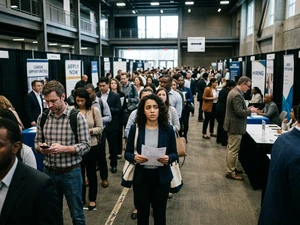
Mental health professionals increasingly frame anxiety management as a learnable skill rather than a condition to be endured indefinitely. This reframe matters because it shifts the relationship people have with anxiety-from something overwhelming that happens to them, to something manageable that can be responded to with practiced tools. A report from early 2026 found that roughly half of Americans reported feeling anxious about uncertainty, personal finances, or current events, placing practical anxiety management among the most relevant everyday health skills available.
Early, proactive skill-building produces better long-term outcomes than waiting for anxiety to become overwhelming before seeking help. The same principle that makes balance training more effective before falls happen applies here: building capacity before it’s urgently needed is when it works best.
The Case for a Personal Toolkit
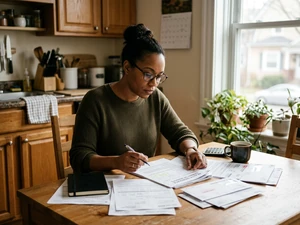
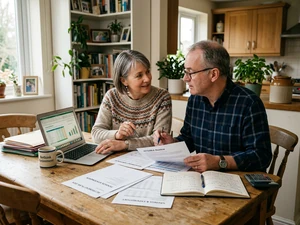
Different stressors respond to different strategies. Someone anxious about finances benefits from concrete planning and problem-solving steps. Someone anxious about uncertainty or loss of control often benefits more from mindfulness and present-moment grounding. Because anxiety is not uniform, the most effective approach is building a personal toolkit-identifying which evidence-based strategies produce results for your specific stress patterns and practicing them consistently.
Practical tools include breathing techniques like the 4-7-8 method, progressive muscle relaxation, problem-solving exercises, boundary-setting practices, physical movement, and mindfulness. None of these require therapy or medication as prerequisites, though both remain valuable options for persistent or severe anxiety.
The Difference Between Proactive and Reactive
Most people address anxiety reactively-only practicing management strategies when anxiety has already become uncomfortable. Proactive anxiety management means practicing these tools regularly, treating them as daily maintenance rather than emergency responses. This is what makes them accessible when they’re most needed.
Small daily habits compound over time. Five minutes of mindfulness in the morning, a brief breathing practice before a challenging task, or intentional boundary-setting around information consumption-each individually modest, collectively meaningful. The nervous system that practices calm regularly is better equipped to return to calm when stress arrives.
Starting Simply
The practical starting point for anyone wanting to build anxiety management skills is the same: pick one technique, practice it consistently for two weeks, and notice whether it produces results. If it does, add it to the toolkit. If it doesn’t, try another.
The approach doesn’t require certainty about what will work. It requires the willingness to experiment methodically with accessible tools until the right combination emerges. That combination is different for everyone-but it exists for everyone.
References: How Can I Manage Anxiety In A High Paced World In 2026

The News And Beyond team was assisted by generative AI technology in creating this content
Trending